Making Tax Digital ?
Are you a sole trader confused by making tax digital?

If you’re feeling as overwhelmed as the builder above, you’re not alone. While software companies are promoting subscriptions and HMRC is issuing mandates, there’s a lack of guidance on how to achieve tax compliance. The solution is a step-by-step guidebook on Making Tax Digital for Sole Traders, designed to help you navigate tax compliance with ease!
are you a landlord who now has to start making tax digital?
If you’re feeling as perplexed as the landlord pictured here, you are certainly not alone. Software providers are aggressively marketing their platforms, and HMRC is introducing complex new rules. However, finding clear, practical instructions on how to ensure tax compliance and manage the change remains incredibly difficult until now. The complete step-by-step guide for landlords, focusing on tax compliance, is now available.
HELPING SOLE TRADERS AND LANDLORDS WITH MAKING TAX DIGITAL
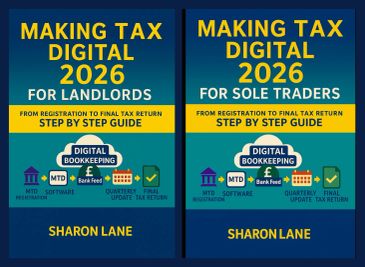
Making tax digital books on amazon
Struggling with Making Tax Digital?
Most landlords and sole traders know MTD is coming — but few feel ready. Between choosing software, setting up digital records, submitting quarterly updates and completing the final tax return, it’s easy to feel lost.
These books were written to change that.
Created by a practising accountant who became an
Struggling with Making Tax Digital?
Most landlords and sole traders know MTD is coming — but few feel ready. Between choosing software, setting up digital records, submitting quarterly updates and completing the final tax return, it’s easy to feel lost.
These books were written to change that.
Created by a practising accountant who became an accidental author, the Making Tax Digital 2026 guides for Landlords and Sole Traders were published in October 2025 after it became clear that no single resource explained the entire process clearly and practically.
Aimed at software users and written around Xero (though the same principles apply whichever software you use), the guides walk you through every stage with clear explanations and lots of real-world examples.
You’ll see exactly how to register for MTD, set up your digital bookkeeping, manage bank feeds, submit quarterly updates and complete your final tax return — without the jargon or guesswork.
Whether you’re a landlord managing rental income or a sole trader running your own business, these step-by-step guides give you the confidence and clarity you need to get Making Tax Digital right first time.
Ready to see exactly what’s inside and how the books can help you?
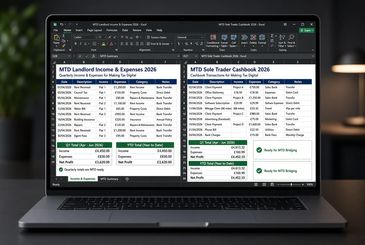
Traditional Spreadsheets adapted for Making Tax Digital
While preparing Making Tax Digital returns for clients, I quickly realised that traditional bookkeeping software isn’t right for everyone. Many landlords and sole traders prefer to keep their own records and needed a practical, low-cost solution.
That’s why I created ready-made spreadsheets specifically adapted for Making Tax Digital. They
While preparing Making Tax Digital returns for clients, I quickly realised that traditional bookkeeping software isn’t right for everyone. Many landlords and sole traders prefer to keep their own records and needed a practical, low-cost solution.
That’s why I created ready-made spreadsheets specifically adapted for Making Tax Digital. They are simple to use, easy to transact in, and automatically calculate quarterly and accumulative totals — so everything is ready for bridging when required. No complicated software, no unnecessary features, just clear tools designed for people who want to maintain their own records the traditional way.
Whether you choose software or traditional spreadsheets, these resources give you everything you need to manage Making Tax Digital with confidence.
Making Tax Digital: Essential Information for Self Employed
What is making tax digital?
What are digital records for making tax digital?
Is software required for making tax digital?

If you’re feeling as overwhelmed as the builder above, you’re not alone. While software companies are promoting subscriptions and HMRC is issuing mandates, there’s a lack of guidance on how to achieve tax compliance. The solution is a step-by-step guidebook on Making Tax Digital for Sole Traders, designed to help you navigate tax compliance with ease!
Is software required for making tax digital?
What are digital records for making tax digital?
Is software required for making tax digital?
If you’re feeling as perplexed as the landlord pictured here, you are certainly not alone. Software providers are aggressively marketing their platforms, and HMRC is introducing complex new rules. However, finding clear, practical instructions on how to ensure tax compliance and manage the change remains incredibly difficult until now. The complete step-by-step guide for landlords, focusing on tax compliance, is now available.
What are digital records for making tax digital?
What are digital records for making tax digital?
What are quarterly updates for making tax digital?
Digital record-keeping for Making Tax Digital means recording your business income and expenses electronically instead of using a paper diary or traditional cashbook.
You can do this in two main ways:
- Using accounting software such as Xero, or
- Using ready-made spreadsheets specifically adapted for Making Tax Digital
Both methods create a clear digital trail of your income and costs. This makes it much easier to prepare and submit your quarterly updates, keep track of running totals throughout the year, and complete your final tax return accurately and on time.
Digital records also give you greater control and visibility over your figures, reduce the risk of errors, and help you stay fully compliant with HMRC’s Making Tax Digital requirements.
What are quarterly updates for making tax digital?
What are quarterly updates for making tax digital?
Quarterly updates are brief digital summaries of your business income and expenses that must be sent to HMRC every three months.
You can submit them directly through accounting software such as Xero, or by using ready-made spreadsheets adapted for Making Tax Digital and then transferring the figures via bridging software.
These regular updates replace the old single yearly deadline and give you an ongoing estimate of your tax position, helping to avoid any end-of-year surprises. By sending your quarterly MTD updates on time, you stay fully compliant with HMRC’s digital tax rules while keeping your financial records consistently up to date.
Is there a final tax return?
Even with quarterly updates, you are still required to submit a Final Declaration to HMRC by 31 January each year.
This year-end step replaces the traditional Self Assessment tax return. You can complete it through accounting software such as Xero, or by using ready-made spreadsheets adapted for Making Tax Digital together with bridging software.
The Final Declaration lets you confirm that your four quarterly updates are accurate and add any extra income (such as bank interest or investment dividends). Completing it ensures your total tax bill is calculated correctly and that you have claimed all eligible business tax reliefs
A making tax digital book or spreadsheet that guides you
To begin, you simply need to choose an HMRC-compatible method, either accounting software such as Xero or ready-made spreadsheets adapted for Making Tax Digital, and sign up for the digital service through your Government Gateway.
For a complete, expert walkthrough of every requirement, you can follow the instructions in my books, Making Tax Digital 2026 for Sole Traders and Making Tax Digital 2026 for Landlords.
Written by an accountant, they give you a clear, step-by-step roadmap for the transition. The spreadsheet packages also include detailed PDF guides to support you every step of the way